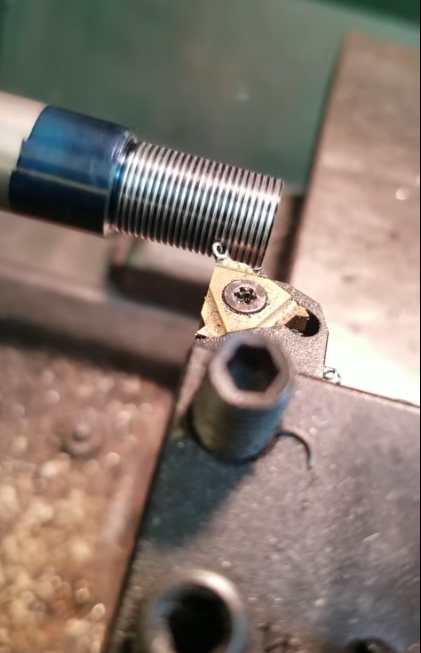
Rifle Barrel Threading for Suppressors: A Complete Guide
Rifle barrel threading cuts precise external threads at the muzzle, machined concentric to the bore, so a suppressor can mount securely. Correct thread pitch and professional machining prevent baffle strikes and accuracy loss. Verify your barrel’s thread specs, confirm suppressor compatibility, and check current federal and state law before making any modifications.
Suppressor ownership has grown fast among firearm enthusiasts, and for good reason. A properly threaded barrel is the gateway to attaching one, but getting that threading right takes more precision than most shooters expect. Cut threads off-center from the bore, and you risk a baffle strike that destroys your suppressor and possibly damages your barrel.
This guide breaks down what barrel threading actually involves, why it matters for suppressor performance, and what you need to know about compatibility, installation, and the current legal landscape before you modify your firearm.
What Is Rifle Barrel Threading?
Rifle barrel threading is the machining process that cuts external threads into the muzzle end of a barrel, creating a mounting point for a suppressor, muzzle brake, or flash hider. The threads must be cut concentric to the bore, not just to the barrel’s exterior surface, because the bore is the actual reference point for where the bullet travels.
This distinction matters enormously. According to Cliff at Lone Star Gunsmithing & Cerakote in Princeton, Texas. Barrel threading is typically done as a lathe operation with the barrel dialed in on an indicator using the bore as the reference point. A hand-run threading die that follows the barrel’s exterior surface instead of the bore introduces error, which is why most gunsmithing sources recommend against DIY threading for anything beyond basic familiarity with machining (Lone Star Gunsmithing & Cerakote, “Threading Barrels for Suppressors”).
What Thread Patterns Are Common on Rifle and Pistol Barrels?
Thread specifications vary by caliber and firearm platform. Here are the most common patterns, according to Capitol Armory’s Barrel & Suppressor Thread Pitch Chart (updated October 2026):
- 5.56/.223 (AR-15): 1/2-28, right-hand (RH)
- 9mm: 1/2-28 RH most common, though M13.5×1 left-hand (LH) appears on the HK USP9, Sig P226/P320 factory-threaded models, Sig MPX, and some Glock G17 Gen3/4 threaded variants
- .22 LR: 1/2-28
- .308/7.62×51 (AR-10): 5/8-24 RH
- .300 BLK, 6.5 Creedmoor, 6.5 Grendel, .458 SOCOM: 5/8-24 RH (including the Ruger Precision Rifle in 6.5 Creedmoor)
- .45 ACP: .578-28 RH
- .40 S&W: 9/16-24 RH
- AK-47/AKM (7.62×39): M14x1 LH
- AK-74: M24x1.5 RH
- M1A/M14: .595-32 RH
- .338 (Desert Tech, Barrett 98B/MRAD post-January 2013): 3/4-24; Accuracy International uses M18x1.5
- HK91/G3: M15x1 RH
- .350/.400 Legend, .450 Bushmaster: 11/16-24
Right-hand threads tighten clockwise and are standard on most US barrels. Left-hand threads are common on many HK, Sig, and AK platforms, so always confirm which direction your barrel uses before ordering a mount.
Barrel design matters here too. Muzzle diameter needs to be sufficient to support the threads without weakening the shoulder. Lone Star Gunsmithing & Cerakote notes a minimum muzzle diameter of roughly 0.500 inches for 1/2×28 threading and roughly 0.650 inches for 5/8×24. A barrel that’s too thin for its thread pattern can develop a weak shoulder, allowing the suppressor or muzzle device to “walk” and lose concentricity over time.
What Are the Benefits of a Threaded Barrel?
A threaded barrel paired with a suppressor offers several real advantages for shooters, though it’s worth being clear about what a suppressor does and doesn’t do.
Reduced recoil and muzzle rise. Suppressors add weight and length to the muzzle end of the barrel, which helps manage recoil impulse and keeps the muzzle more stable between shots.
Improved control during follow-up shots. With less muzzle rise, shooters can often get back on target faster for subsequent shots, particularly useful in dynamic shooting scenarios.
Versatility across suppressor options. A properly threaded barrel opens the door to multiple suppressor choices rather than locking you into a single fixed solution, since different suppressors can be swapped onto the same threaded muzzle.
Customization possibilities. Threaded muzzles also accept muzzle brakes, flash hiders, and thread protectors, giving shooters flexibility to configure their rifle for different purposes.
One important caveat: a suppressor is not a fix for an inaccurate rifle. Adding a suppressor often shifts the point of impact, so you’ll need to re-zero your optic or sights once the can is mounted. Suppressed AR-platform rifles also push more gas back into the receiver and toward the shooter’s face due to increased back pressure; an adjustable gas block and buffer tuning can help manage this.
How Do I Know What Thread Size and Compatibility My Barrel Needs?
Matching a suppressor to your barrel involves two separate thread specifications: the barrel’s muzzle threads and the suppressor’s rear mounting threads. These don’t have to match directly, because the mount itself bridges the two (Capitol Armory).
Many rifle suppressors use the 1.375×24 HUB thread pattern on their rear mount, while SilencerCo pistol suppressors commonly use the 1.125×28 Alpha pattern. The mount adapts between your specific barrel thread and the suppressor’s rear thread, so you don’t necessarily need identical specs on both ends.
How Do I Find Out If My Barrel Is Already Threaded?
Check the barrel itself. Thread specifications are often stamped directly on the muzzle or listed in your firearm’s owner’s manual. If you’re uncertain, Capitol Armory recommends verifying before ordering a mount, since manufacturers like Sako, Tikka, and Blaser vary their thread specs by model.
If you find a mismatch between your barrel’s threads and your suppressor’s required mount, a thread adapter can bridge the gap, or you can source a mount made specifically for your barrel’s pitch. Keep in mind that thread adapters add an additional joint and tolerance stack to the system, which isn’t ideal when precision and concentricity matter most.
Should I Use an Aftermarket Threading Service?
If your barrel isn’t already threaded, aftermarket threading services machine the threads to your specific caliber and desired pattern. Since concentricity to the bore is critical for both accuracy and safe suppressor function, this is generally not a job suited to DIY threading dies, which follow the barrel’s exterior rather than the bore axis.
What Should I Know About Installing and Maintaining a Threaded Barrel?
Is Professional Threading Better Than DIY?
Yes, for most shooters. Professional threading uses a lathe with the barrel indicated off the bore, ensuring the threads are cut concentric to where the bullet actually travels. A hand-run die, by contrast, follows the barrel’s exterior contour, which can introduce enough error to cause a baffle strike, where the bullet contacts the suppressor’s internal baffles. A baffle strike destroys the suppressor and can damage the barrel.
You don’t need to have your suppressor in hand to have your barrel threaded, but you should know the exact make and model you plan to use so the gunsmith can account for the correct mount and shoulder specifications.
If your barrel is too short to meet legal overall length requirements once a suppressor is attached, options include a pin-and-weld muzzle device to permanently extend the barrel to a compliant length, or barrel replacement.
How Do I Maintain a Threaded Barrel and Suppressor Mount?
General maintenance practices include keeping the threads clean and lightly lubricated, inspecting the crown regularly since it controls gas exit and directly affects accuracy, and checking that the suppressor seats tightly against the shoulder before firing. A visual bore check for alignment and baffle clearance before each range session is a good habit. When you’re not running the suppressor full time, a thread protector helps keep exposed threads from getting dinged or damaged.
What Legal Requirements Apply to Suppressors and Threaded Barrels?
Threading a barrel itself is a gunsmithing and machining task. The suppressor is the item regulated under the National Firearms Act (NFA), not the threading process.
The legal landscape around suppressors has shifted significantly in 2026. Congress reduced the NFA making and transfer tax for suppressors, short-barreled rifles, short-barreled shotguns, and AOWs to $0, effective January 1, 2026, under the One Big Beautiful Bill Act. This previously stood at $200 for suppressors. Machine guns and destructive devices remain taxed (ATF, “Update to NFA Transfer Guidance,” updated October 16, 2026).
In a related development, the district court in Silencer Shop Foundation v. ATF (N.D. Tex. No. 6:25-cv-056, decided August 5, 2026) enjoined enforcement of certain NFA making, registration, and transfer provisions for suppressors and other covered items, though that injunction technically applies only to plaintiffs, members, and customers of the case. Effective October 9, 2026, the ATF issued an open letter stating it would cease enforcing, as a matter of enforcement discretion for everyone, the requirements for prior approval, NFA registration, and tax-stamp compliance for suppressors, SBRs, SBSs, and AOWs. Registration remains voluntary, and the ATF continues accepting forms for those who choose to register (ATF, October 2026).
It’s critical to understand this is an enforcement policy, not a repeal of the underlying law. The ATF has stated enforcement could resume if Congress reinstates a tax, the injunction is dissolved or overturned, or the Department of Justice rescinds the guidance. Unregistered NFA firearms would be treated as contraband if that happens, with no automatic grandfathering or guaranteed amnesty.
The Gun Control Act still applies regardless of these changes. Licensed dealers must complete Form 4473 and run a NICS background check for every suppressor sale, and sales can only go to buyers who aren’t prohibited persons. Federal firearms licensees generally sell only to residents of their own state and cannot transfer items in violation of state or local law.
State law also hasn’t gone anywhere. A minority of states prohibit most or all NFA items, including suppressors, in California, Delaware, Hawaii, Illinois, Massachusetts, New Jersey, New York, Rhode Island, and Washington D.C. Fifteen additional states still run their own Form 4-style process alongside federal requirements: Alaska, Colorado, Connecticut, Georgia, Michigan, Mississippi, Montana, Nevada, North Carolina, North Dakota, Ohio, Oregon, Pennsylvania, Washington, and Wisconsin (Silencer Shop, October 9, 2026).
Given how recently these changes took effect, verify current rules with the ATF, a licensed dealer, and your state’s specific laws before making any suppressor purchase or barrel modification. This information is not legal advice.
Getting Your Barrel Ready for a Suppressor
Threading your barrel correctly is the foundation for safe, accurate suppressor use. Get the thread pitch right, have the work done by someone who machines to the bore rather than the exterior, and confirm your suppressor’s mount matches before you ever pull the trigger.
Before making any modifications to your firearm, research your specific model’s thread specifications and confirm them against your intended suppressor. Legal requirements are also evolving quickly, so check current federal guidance and your state’s laws before you buy.
Call us at 214-404-5261 for more info on getting your barrel properly threaded and ready for your next suppressor.
Frequently Asked Questions
How much does it cost to thread a rifle barrel?
Costs typically hover around $180 depending on your rifle platform, barrel condition, and the thread pattern required. Call us at 214-404-5261 to discuss pricing for your specific firearm.
How long does barrel threading take?
Turnaround time depends on your gunsmith’s workload and whether your barrel needs additional work, such as crown cutting. Contact Cliff at Lone Star Gunsmithing & Cerakote directly for an accurate timeline.
Is it legal to own a suppressor right now?
As of January 1, 2026, the federal NFA tax for suppressors dropped to $0, and as of October 9, 2026, the ATF adopted an enforcement discretion policy for NFA registration requirements. However, this is a policy, not a law change, and state laws still apply. Verify current rules with the ATF and your state before purchasing (not legal advice).
Can I thread my own barrel at home?
Most gunsmithing sources recommend against DIY threading because the threads must be cut concentric to the bore using a lathe and indicator, not just matched to the barrel’s exterior with a hand-run die. Improper threading risks a baffle strike that can destroy your suppressor and damage your barrel.
Does a suppressor improve accuracy?
A suppressor doesn’t fix an inherently inaccurate rifle, but it does reduce recoil and muzzle rise, which can help with shot-to-shot control. Expect your point of impact to shift once a suppressor is mounted, so re-zero your sights or optic afterward.
What if my barrel isn’t threaded yet?
If your barrel isn’t threaded, an aftermarket threading service can machine it to your caliber’s specific thread pattern. Call us at 214-404-5261 to discuss your firearm and threading options.
Meta data
Meta title
Rifle Barrel Threading for Suppressors: Complete Guide
Meta description
Learn how rifle barrel threading works, common thread patterns by caliber, and what to know before attaching a suppressor.
Call 214-404-5261.